Friday, May 15, 2020

It’s about the Journey

It’s about the Journey
At Jewish Newport
By  Aaron Ginsburg 
May 16, 2020
Thank you to Rabbi Marc Mandel 


There are different ways of traveling.
One can focus on the main sites. This is the bucket list approach. If you have never traveled this is a valid approach. In New York City that might mean Central Park, a few museums, a Broadway play, Times Square, and Fifth Avenue. For New York, the list is very long. 
But there is another part of New York that takes more time and effort. New York is full of neighborhoods with people from all over the world. These are not major sites, but have you seen New York if you have not seen it’s neighborhoods?
I remember when my cousins from Israel came to the United States, they attempted to squeeze as much as possible in three weeks. Including major cities and the National Parks. 
For many years I was satisfied with the bucket list approach. In 1976, in one month, I visited Montreal, Banff and Jasper National Parks in Alberta Canada, Vancouver and Victoria British Columbia, Ketchikan Alaska, Yellowstone and Grand Teton Parks, the Grand Canyon, Carlsbad Caverns, and stopped in St. Louis on the way back to see the Arch. I was satisfied but very frazzled when I got back.
A neighborhood in Rome Italy photo:aaron ginsburg
Nowadays I have more time and a different approach. In 2017 I spent a month in Rome. Not only is there a museum on almost every corner, but many of the neighborhoods are a pleasure to walk through.
Rabbi Marc Mandel, of Touro Synagogue, tells us about life’s journey,
“This week's Torah portion begins, ‘If you will walk with My statutes.’ 
                          אִם־בְּחֻקֹּתַ֖י תֵּלֵ֑כוּ וְאֶת־מִצְוֺתַ֣י תִּשְׁמְר֔וּ וַעֲשִׂיתֶ֖ם אֹתָֽם׃
 This is a strange phrase - walk with my statutes. We could understand God instructing us to "do" the statutes, or "observe" the statutes. But to walk with them?
“The Torah is a big fan of walking. Moving forward at a slow and steady pace - not sitting still, but equally not running. Walking is what gets you to God. If you stand still and wait for Him to come to you, He might not. But equally, if you expect to be able to get where you want overnight, you will also fail. Slow and sure wins the race. Bit by bit, steady, daily growth leads us to Godliness. 
“PS. Now that the weather is warming up, go outside and take a walk!”
Shabbat Shalom from Jewish Newport!
May your journeys, fast or slow, bring you higher!

Friday, May 8, 2020

And This Ain’t No Bull!

And This Ain’t No Bull!
At Jewish Newport
May 2, 2020
Thank you to Rabbi Marc Mandel and Rebecca Beit-Aharon


Dear Friends,

Until this week, I have been glued to the news, most of it bad. I have been zooming into two daily services, morning and evening, on most days for comfort and companionship—and to get away from the news. 

Finally, in the last couple of days, I have found some projects to occupy my time.

Shabbat is the Jewish answer to getting away from it all. Our ancestors were very aware that people need a break.

I hope you will be able to create some Shabbat space every day.

Best wishes from Jewish Newport.


Rabbi Marc Mandel shared the following message, 

“In this week's Parsha, Parshat Emor, we learn about the laws of the Kohanim, the priests. Our sages point out that although the Kohanim were the ones who performed the service, the Holy Temple was designated to be a source of connection to the Almighty and blessing for all the nations of the world. In fact, on the holiday of Sukkot, the Kohanim offer 70 bulls, representing the 70 nations of the world. 

“The service in the Temple strives to bring all of humanity together. As the whole world is currently experiencing Covid-19, let us all unite and work together to find a cure for this dreadful virus. 

“Shabbat Shalom.”

Friday, May 1, 2020

Changing the World

Changing the World
At Jewish Newport
May 2, 2020
Thank you to Rabbi Marc Mandel and Rebecca Beit-Aharon


This week the Jewish calendar was very busy. On Tuesday we observed Yom Hazikaron, Israel’s Memorial Day, and on Wednesday we observed Yom Haatzmaut, Israel’s Independence Day. Israel’s memorial day extends to the victims of terrorism. Members of Zahal, Israel’s armed forces, die not only on the battlefield, but from many other causes including accidents.


On January 4, 1979, I arrived in Israel for the first time. Conditioned by Exodus, the book by Leon Uris and the movie with Lee J. Cobb and Paul Newman, and by my time at Camp Yavneh, I remember thinking that I should kiss the ground when I arrived at the smallish airport. Perhaps I did, but I didn’t note it in my diary. 


I used two guide books, Vilnay’s Guide to Israel for the sites and Frommer’s Israel on $15 a Day, for practical information. Early in my trip, I took a bus on a Saturday afternoon from Jerusalem to Be’er Sheva, where I stayed in a youth hostel. Modern Be’er Sheva was founded at the beginning of the 20th century by the Ott0man Turks. Unusually, the old section of town was laid out in a grid. A wonderful street in the center was full of small shops and restaurants. 


Frommer’s guide recommended a restaurant which served American style steak. While enjoying my dinner, I heard the sound of English at the next table. It was Glen and Lucille Eliastam (now Eilon). They were celebrating an anniversary or birthday. They had immigrated from Johannesburg, South Africa with their two sons; they later had another son. 


The Eilons lived in Talmei Yosef in occupied Sinai. Two weeks later I visited them. Fortunately they were home. At the time, the idea of calling ahead was foreign to me. Glen grew tomatoes in a large plastic-covered greenhouse. The plants were at least 7 feet high, and sat in the sand. I devoted a few hours to volunteer work,  picking tomatoes and fixing a greenhouse. After Israel pulled out of Sinai in 1982, the Eilons moved to a Netiv HaAsara, a moshav next to Gaza.

On November 6, 1989, Glen and Lucille’s older son Marc and another Israeli soldier, Nachum Golan, were killed in an accident while testing a tank at the Yuma Proving Ground in Arizona. Marc was the first person to be buried in the Netiv HaAsara cemetery. In an article about the liberators, the Israeli Defense Forces and the Proving Ground, Glen wrote, "We both visit (Mark's) grave every week without fail and commune silently with him. He still features in our everyday lives, part and parcel of every simcha, joy and sadness."


Rabbi Marc Mandel of Newport’s Touro Synagogue shares some thoughts with us during which he urges us to change ourselves, and then the world,


“Rabbi Label Lam points out that there is a custom to study Pirkei Avot  (Ethics of the Fathers) in between Pesach and Shavuot. In Pirkei Avot, Hillel famously stated, ‘If I am not for myself who will be for me, and if I am only for myself then what am I, and if not now then when!?’ The point of fixing myself is to become a resource to help others who want to develop themselves and help others. The reason I work on myself is because the world, and the people around me, need a better and more resourceful version of me!


“Reb Yisrael Salanter, the father of the Mussar Movement, declared that when he was young he wanted to change the world. Then he realized there was enough work to do in his community. Later he realized that he needed to cure himself. He ended up changing the world.”


Shabbat Shalom from Jewish Newport!


Friday, April 24, 2020

Patriots and Blessings


Patriots and Blessings
At Jewish Newport
April 25, 2020
Thank you to Rabbi Marc Mandel 
and at

Hello everyone!

I hope you are in good health and being safe. 

Welcome to Shabbat. Let’s do the best we can to step away from the current crisis.

Monday was Patriots’ Day in Massachusetts and in three other states. The Commonwealth of Massachusetts established the holiday in 1894. It commentrates the Battles of Lexington and Concord, and the Battle of Menotomy (Arlington, Massachusetts), the first battles of the American Revolution. The battle of Menotomy was the bloodiest. 5100 militia men from Middlesex and Essex Counties hid in houses, stone walls, fields and barns. In one house 11 militiamen died. Watch the video!

If you have a sister in Lexington, as I do, you will have gone to the town common at 6:00 AM to see the Lexington part of the Battle re-enacted. This year the re-enactment was replaced by a video which is both fun and moving. When watching, consider going into the settings ( a cog wheel) and going viewing it at 2x. Do you see my sister Beth Levine in the video? It’s nice to have a star in the family. 

Did I mention that Patriots’ Day is also Boston Marathon Day?

Rabbi Marc Mandel shared a brief Torah message with us,

“While the world searches for a vaccine for Covid-19, there are other things that we can do that don't require a prescription or have side effects. We can pray. Jews have always had prayer in their tool kits - why should things be different now?  There have been several new prayers that have recently been composed for our current situation. Here is one below.”

The poem was written by Rabbi Peretz Rodman who lives in Jerusalem and edited by Ze’ev Kainan. Rabbi Rodman is a New Englander, whose grandparents lived in Bristol. I met him when I was picking up my son at Camp Ramah in Palmer, Massachusetts. When I go to Israel, we make a point of getting together. 


תפילה לרפואה בעת הזאת

רוֹפֵא חוֹלִים, רְפָא נָא לָנוּ.
הַגְבֵּר אֶת רוּחֵנוּ וְטַע בָּנוּ חֹסֶן
ֹשֶיַּעֲבִירֵנוּ בַּמַּגֵּפָה בְּשָׁלוֹם.

רְפָא-נָא לַגּוּף ֹשֶל כָּל מִי ֹשֶהֻכָּה בַּנְּגִיף
וּרְפָא נָא לַנֶּפֶֹש ֹשֶל כָּל מִי ֹשֶסּוֹבֵל.
רְפָאֵנוּ וְנֵרָפֵא, הוֹשִׁיעֵנוּ וְנִוָֹּשֵעַ, כִּי גוֹאֵל חָזָק אָתָּה.

מַתִּיר אֲסוּרִים, עָזְרֵנוּ בִּימֵי הֶסְגֵּר.
בְּעֵת נְעִילַת ֹשַעֲרֵי בָּתֵינוּ, פְּתַח לָנוּ אֶת ֹשַעֲרֵי לִבֵּנוּ.
ֹשַחְרְרֵנוּ מִכָּל פַּחַד וַחֲרָדָה.

מוֹרִיד הַטַּל, בָּרְכֵנוּ בְּאָבִיב רַךְ, בַּאֲוִיר צַח,
בְּחַלּוֹנוֹת פְּתוּחִים עַל יַד הַדְּלָתוֹת הַסְּגוּרוּת.

בַּעַל גְּבוּרוֹת, מִי דוֹמֶה-לָךְ? מֶלֶךְ מֵמִית וּמְחַיֶּה וּמַצְמִיחַ יְֹשוּעָה.
בָּרוּךְ אַתָּה, בַּעַל הַגְּבוּרוֹת וְרַב לְהוֹשִׁיעַ.

                                           חיבר: פרץ רודמן, ערך: זאב קינן
A Prayer for Healing in the Current Situation

Healer of all who are ill, grant us healing.
Strengthen our spirit, and plant within us resilience
that will carry us through this plague in peace.

Heal the body of everyone struck with the threatening virus,
and heal the souls of all who suffer.
Heal us and we shall be healed, save us and we shall be saved,
for You are a mighty rescuer.

You who free all who are bound up, help us in these days of quarantine.
As the gates of our homes are shut, open for us the gates of our hearts.
Liberate us from all fear and anxiety.

You who bring down the dew, bless us with a soft spring, with fresh air,
with open windows beside the closed doors.

Master of mighty deeds, who is like You?
You are a ruler who brings us both death and life
and makes our salvation flourish.
Praised are You, master of mighty deeds and abundant salvation.

- translation of a Hebrew prayer composed by Peretz Rodman and edited by Ze’ev Kainan

Shabbat Shalom from Jewish Newport!

Friday, April 17, 2020

A Life of Blessing

A Life of Blessing
At Jewish Newport
April 18th 2020
With thanks to  Rebecca Beit-Aharon and Rabbi Marc Mandel

Dear Friends,


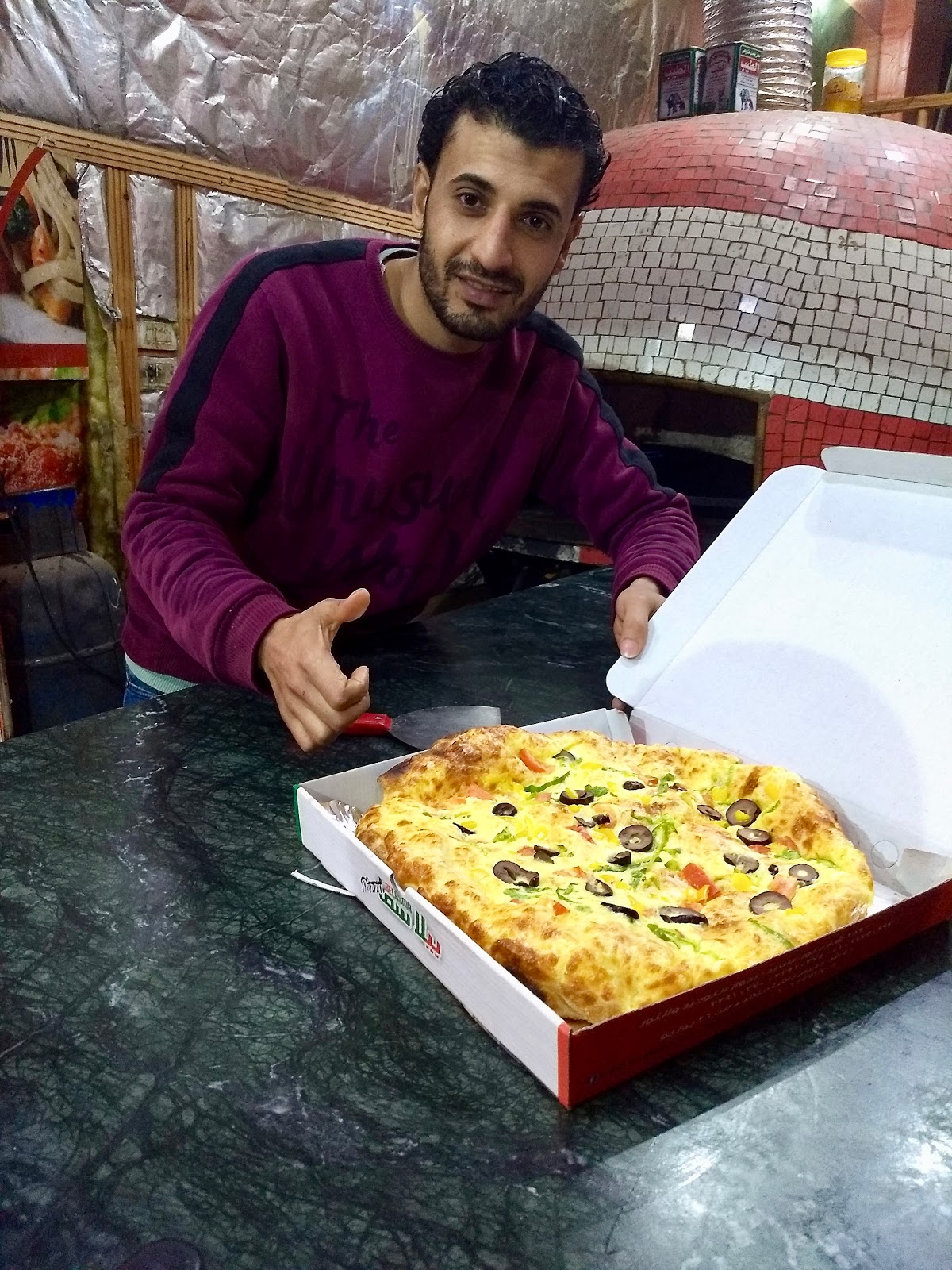
Pizza in Cairo Egypt photo
by Aaron Ginsburg
I hope you had a sweet Passover, and that you enjoyed your first post-Passover meal.


Touro Synagogue usually has three opportunities for us to meet together virtually each week to learn, to pray and to hang out. If you need information please contact me at aaron.ginsburg@gmail.com.


On Monday, April 20 at 7:30 PM, we will join together for a virtual Yom Hashoah.


Rabbi Marc Mandel of Touro Synagogue, Newport, Rhode Island shared a short message and a prayer with Jewish Newport:


“The Shabbat before the start of a Jewish month (Rosh Chodesh) is known as Shabbat Mevarchim, ‘the Shabbat when we bless.’ On this day, during the synagogue service, we recite a special blessing for the new month and announce the timing of Rosh Chodesh. 


“This Shabbat is Shabbat Mevorchim, and due to our current health crisis, we should have special concentration when we recite this prayer, especially since we won't be saying it in a regular Minyan. Shabbat Shalom!”


Here is the Rosh Chodesh blessing:


“May it be Your will, the Eternal our God, to grant us long life, a life of peace, a life of good, a life of blessing, a life of sustenance, a life of vigor of the bones, a life in which there is fear of sin, a life free from shame and embarrassment, a life of riches and honor, a life in which we may be filled with love of Torah and awe of Heaven, a life in which You will fulfill all of our hearts’ desires for good.” 


יְהִי רָצוֹן מִלְּפָנֶיךָ יְהֹוָה אֱלֹהֵינוּ וֵאלֹהֵי אֲבוֹתֵינוּ. שֶׁתְּחַדֵּשׁ עָלֵינוּ אֶת הַחוֹדֶשׁ הַזֶּה לְטוֹבָה וְלִבְרָכָה. וְתִתֶּן לָנוּ חַיִּים אֲרוּכִים. חַיִּים שֶׁל שָׁלוֹם. חַיִּים שֶׁל טוֹבָה. חַיִּים שֶׁל בְּרָכָה. חַיִּים שֶׁל פַּרְנָסָה. חַיִּים שֶׁל חִלּוּץ עֲצָמוֹת. חַיִּים שֶׁיֵשׁ בָּהֶם יִרְאַת שָׁמַיִם וְיִרְאַת חֵטְא. חַיִּים שֶׁאֵין בָּהֶם בּוּשָׁה וּכְלִמָּה. חַיִּים שֶׁל עשֶׁר וְכָבוֹד. חַיִּים שֶׁתְּהֵא בָנוּ אַהֲבַת תּוֹרָה וְיִרְאַת שָׁמַיִם. חַיִּים שֶׁיְּמַּלֵא יְהֹוָה מִשְׁאֲלוֹת לִבֵּנוּ לְטוֹבָה בִּזְכוּת תְּפִלַּת (רַב) רַבִּים. אָמֵן סלה


During these difficult days it is hard to get away from the Corona pandemic that grabs our country and the world. I have traveled to the area many times and am in shock.


On Monday, I learned that Dokshitsy, Belarus, neighboring Parafyanovo, Belarus, and Minsk, the Belarusian capital, are also experiencing major coronavirus outbreaks. 


Many Newport families—including Friedman, Adelson, Shapiro, Markman, Rosoff, Mendel, Rosoff, Kraut, Teitz, Kusinitz, and Ginsburg—trace their roots to this area. I have met many people in the Dokshitsy District, and there are Kusinitz relatives in Minsk. Please include them in your prayers for life and health.


Shabbat Shalom from Jewish Newport.

Friday, April 3, 2020

The Big Sleep


The Big Sleep
At Jewish Newport
April 3, 2020
aaron.ginsburg@gmail.com

Rabbi Marc Mandel of Newport’s Touro Synagogue sent a brief message to our readers:

“The Shabbat which precedes Passover is called Shabbat haGadol, the Great Sabbath, for many and varied reasons. In some Sephardic communities, it is customary, when greeting one another on this Shabbat, to add the title of the day: Shabbat haGadol Mevorach, a blessed Shabbat HaGadol. This year especially, this seems like an excellent custom for us to do. May we all have a blessed Shabbat Hagadol.”

But why is it called Shabbat haGadol (the great or the big Shabbat)? At our session today at 4:PM Rabbi Mandel quoted an article from Wikipedia but focused on the haftarah from the prophet Malachai which ends, 
וְהֵשִׁ֤יב לֵב־אָבוֹת֙ עַל־בָּנִ֔ים וְלֵ֥ב בָּנִ֖ים עַל־אֲבוֹתָ֑ם פֶּן־אָב֕וֹא וְהִכֵּיתִ֥י אֶת־הָאָ֖רֶץ חֵֽרֶם׃
[הנה אנכי שלח לכם את אליה הנביא לפני בוא יום יהוה הגדול והנורא]
“He shall reconcile parents with children and children with their parents, so that, when I come, I do not strike the whole land with utter destruction. Lo, I will send the prophet Elijah to you before the coming of the awesome[Gaddol], fearful day of the LORD.”
Passover brings children and parents together. We open our doors to see if Elijah is coming, since that would mean the Messiah was coming. Most commentators say this passage in Malachi is where the Shabbat Hagodol gets its name, but there are other possibilities, or more likely they are a but of sarcasm directed at the big ones in more recent times.

Wikipedia tells us that it is customary for the rabbi to give a long sermon during the afternoon of Shabbat Hagadol. Zedekiah ben Abraham Anav (1210 – c. 1280) who lived in Rome said it is called “Hagadol” because of the length of the sermon, which drags on and drags out the day along with it.
There is nothing new about falling asleep while the rabbi speaks. In the midrash, Bereishit Rabbah 58,3 we read, 
רַבִּי עֲקִיבָא הָיָה יוֹשֵׁב וְדוֹרֵשׁ וְהַצִּבּוּר מִתְנַמְנֵם בִּקֵּשׁ לְעוֹרְרָן אָמַר מָה רָאֲתָה אֶסְתֵּר שֶׁתִּמְלֹךְ עַל שֶׁבַע וְעֶשְׂרִים וּמֵאָה מְדִינָה, אֶלָּא תָּבוֹא אֶסְתֵּר שֶׁהָיְתָה בַּת בִּתָּהּ שֶׁל שָׂרָה שֶׁחָיְתָה מֵאָה וְעֶשְׂרִים וָשֶׁבַע וְתִמְלֹךְ עַל מֵאָה וְעֶשְׂרִים וְשֶׁבַע מְדִינוֹת. 
“Rabbi Akiva was once sitting and lecturing, and the community [his students] was falling asleep. To arouse them, he said: How could Esther rule over one hundred and twenty seven provinces? It should be that Esther, a descendant of Sarah who lived to one hundred and twenty seven, to rule over one hundred and twenty seven provinces.”
And what does that mean? If Esther ruled 127 provinces, she didn’t have time to waste a second. If we want to accomplish anything, we should not waste our limited time on this world.
Fortunately in Newport we don’t have to worry about falling asleep during a long speech from Rabbi Mandel. He speaks so briefly there is not enough time to catch even forty winks.

Shabbat haGadol Mevorach from Jewish Newport!

Upcoming programs at CJI (If you need a link, send an email message to aaron.ginsburg@gmail.com):

Monday, April 6 at 7:30pm 
Newport Passover Memories

Tuesday, April 7th at 7:30pm
Virtual Search For Chametz With Rabbi Mandel

Wednesday, April 8th at 5:30pm
Virtual Model Seder With Rabbi Mandel
@tourosynagoguenewport